
Why Spring Tire Swaps Matter in Alberta
Contact Us Today!
Browse Inventory
Living in Edmonton, AB means dealing with dramatic seasonal weather changes. One week may still feel like winter, while the next brings warmer temperatures and dry roads. Because of Alberta’s unpredictable climate, changing your tires at the right time is one of the most important seasonal maintenance tasks for drivers.
Winter tires are designed specifically for cold temperatures, snow, and icy roads. Once spring temperatures consistently rise above 7°C, those same tires begin to lose their effectiveness. That is when switching to summer or all-season tires becomes the smarter and safer option.
At Rally Subaru, many Edmonton drivers prepare for spring by scheduling tire swaps early to avoid the seasonal rush and keep their vehicles performing at their best.
When Should You Switch Winter Tires in Edmonton?
In Alberta, the general recommendation is to remove winter tires once temperatures consistently stay above 7°C. This usually happens sometime in April, although weather conditions can vary from year to year.
The 7°C benchmark matters because tire rubber reacts differently depending on temperature. Winter tires are built with softer rubber compounds that remain flexible in freezing weather. In warmer spring temperatures, that same softness can reduce handling performance and increase tire wear.
Drivers in Edmonton should also consider their daily driving habits. If you regularly travel outside the city into rural areas where snow and ice may linger longer, it could make sense to wait a little before switching tires. On the other hand, city commuters driving mainly on dry pavement may benefit from making the change earlier in spring.
Why You Should Avoid Waiting Too Long
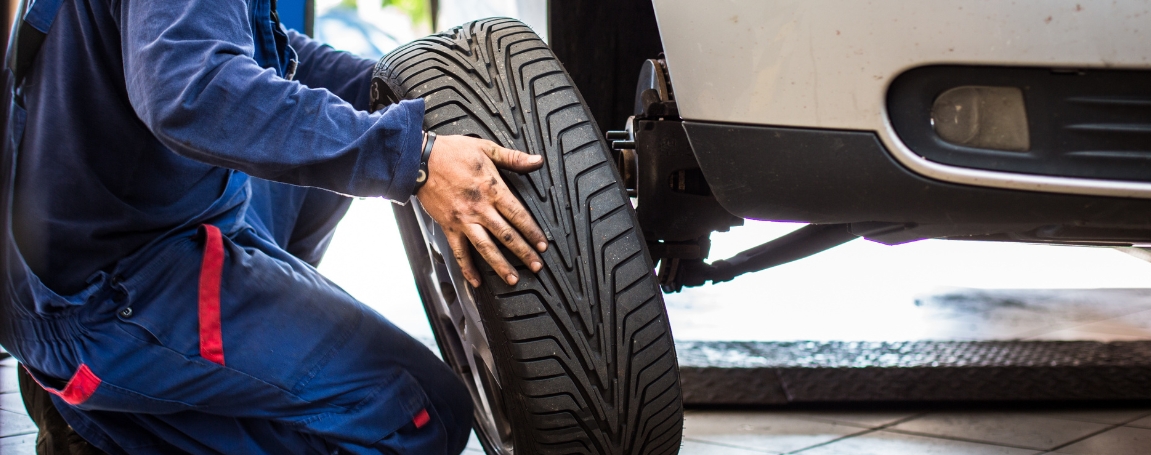
Every spring, tire shops across Alberta experience a busy rush once temperatures begin warming up. Booking your appointment early can save time and help you avoid long wait periods.
Planning ahead also gives technicians time to inspect your tires properly. Spring tire maintenance is not just about swapping wheels. It is also a great opportunity to check tread wear, tire pressure, wheel alignment, and overall tire condition after a long winter season.
Another advantage of booking early is availability. If your tires need replacing, shopping before peak season gives you more choices and may even help you take advantage of seasonal promotions or early booking offers.
Most importantly, switching at the right time improves safety. Edmonton weather can change quickly, and having the correct tires installed ensures your Subaru maintains proper traction, braking performance, and handling as road conditions evolve.
Understanding the Science Behind Seasonal Tires

Many drivers think all tires perform similarly, but each tire type is engineered for very specific conditions.
Winter Tires
Winter tires use a softer rubber compound that stays flexible in freezing temperatures. Their deeper tread patterns are designed to channel snow, slush, and water away from the tire surface to improve grip.
These tires perform best below 7°C and are especially valuable during Alberta’s icy winters. Some winter tires may also include studs for additional traction on slippery roads.
All-Season Tires
All-season tires are designed to balance performance across different weather conditions. They work reasonably well in moderate temperatures but do not specialize in extreme winter or summer driving.
For many Edmonton drivers, all-season tires are practical during spring, summer, and fall. However, they cannot match the traction and confidence winter tires provide during severe snow and ice conditions.
Summer Tires
Summer tires use a firmer rubber compound optimized for warm weather. Their tread patterns maximize road contact, improving grip, cornering, and braking performance on dry pavement.
These tires work best once temperatures stay consistently above 7°C. They are especially beneficial for drivers who prioritize responsive handling and smooth highway driving during warmer months.
What Happens If You Use Winter Tires in Summer?

Some drivers delay swapping tires because their winter tires still appear to have enough tread. However, using winter tires during warmer weather can create several problems.
The softer rubber compound wears down much faster on warm pavement, shortening the lifespan of the tire. Winter tires also become less stable in higher temperatures, which can increase braking distances and reduce cornering confidence.
Their deeper tread patterns, ideal for snow, also create additional rolling resistance on dry roads. This may reduce fuel efficiency and make the vehicle feel less responsive during daily driving. In short, winter tires are safest and most effective during winter months only.
Tire Maintenance Tips for Spring Driving
Spring is also the perfect time to give your vehicle a quick seasonal inspection. Along with changing tires, Edmonton drivers should check tire pressure regularly since fluctuating temperatures can affect inflation levels.
Wheel alignments are another important consideration after winter. Potholes, rough roads, and icy conditions can knock alignment out of place, leading to uneven tire wear and reduced handling performance.
It is also smart to inspect tread depth and look for any cracks, punctures, or unusual wear patterns. Proper tire care helps extend tire life while improving comfort, fuel economy, and overall driving safety.
Drive Into Spring With Confidence
Whether you drive through downtown Edmonton traffic, head out toward Alberta highways, or enjoy weekend road trips outside the city, proper tire maintenance helps your vehicle handle changing road conditions confidently.
If your vehicle is ready for spring service, the team at Rally Subaru right here in Edmonton, AB, can help you prepare for the warmer months ahead with professional tire inspections, seasonal swaps, and maintenance support tailored to Alberta driving conditions.
